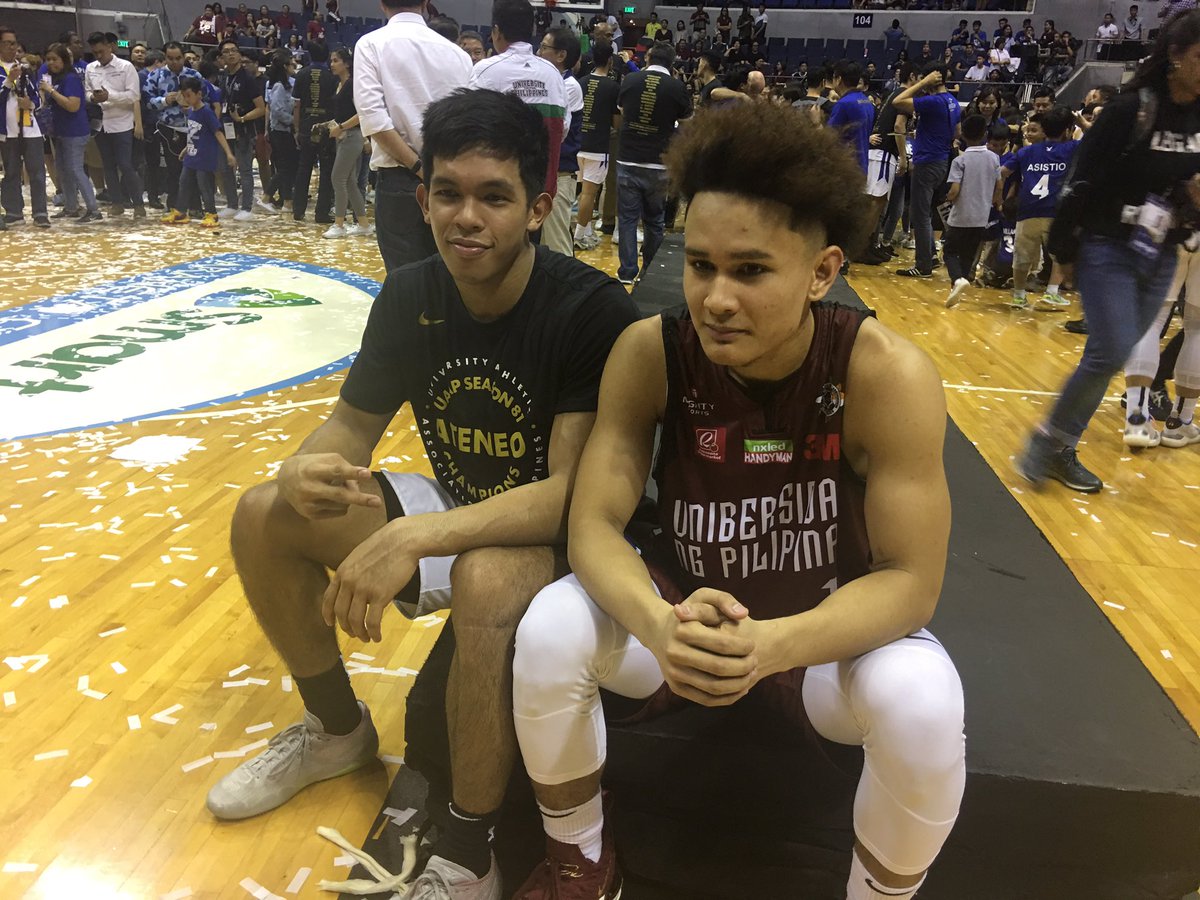
The Blue Eagles defeated the Fighting Maroons 99-81 to win a second UAAP men’s basketball title and their 10th overall.
The Ateneo Blue Eagles aim to end the best-of-3 title series when they battle the UP Fighting Maroons in Game 2 of the UAAP Season 81 men’s basketball finals at Araneta Coliseum on Wednesday.
Will the defending champions’ poise again be a factor, as they go for title No. 10? Or do the challengers on the other end of Katipunan have it in them to take this series to a third and deciding game?
UAAP: Ahead of clash, MVP Akhuetie and top rookie Kouame receive awards
Before they battle each other in Game 2 of the UAAP Season 81 men’s basketball finals, big men Bright Akhuetie and Ange Kouame received individual awards for their efforts in the elimination round.
Akhuetie formally accepted his Most Valuable Player award, after averaging 18.9 points and 14.6 rebounds per game for the University of the Philippines Fighting Maroons. He is the first UP player to be named MVP since Eric Altamirano in 1986
Meanwhile, Kouame won Rookie of the Year honors after averaging 14.4 points, 13.6 rebounds, and 3.2 blocks per game for the top-seeded Blue Eagles. He is the first Atenean to receive the top rookie award since Arvin Tolentino in Season 77. He is also the first foreign student-athlete to win the trophy.
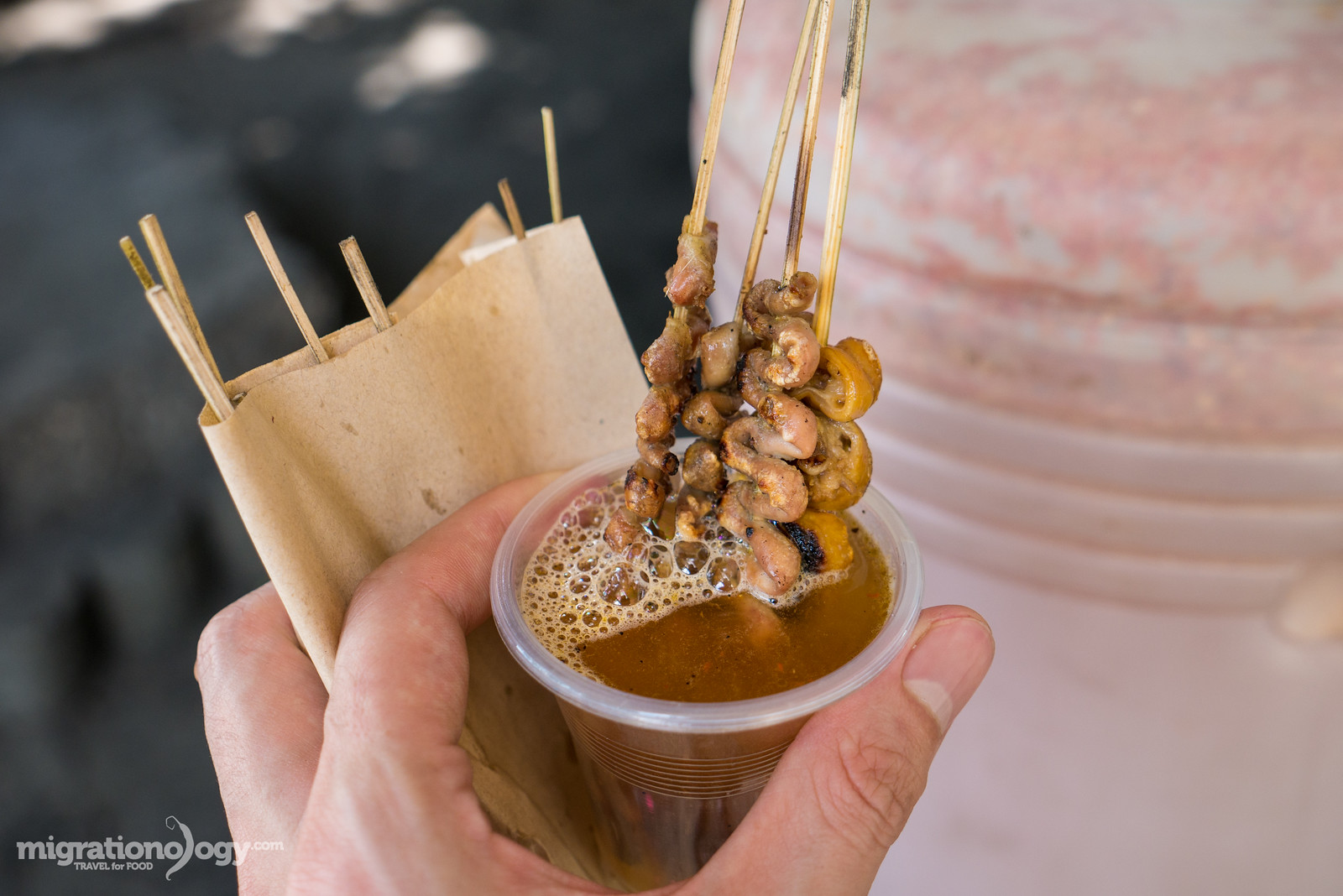
We are going to start this list off with a street food that I think reigns supreme on the afternoon grills throughout the Philippines: isaw, which refers to both pig and chicken intestines, grilled over hot fire.
Starting in the middle to late afternoon, you’ll smell the charcoal being lit, and you’ll know it’s time for your afternoon snack. The intestines are coiled onto skewers, and grilled until charred and smoky. The pig intestines are a little chewier and stronger tasting, while chicken intestines are just like mini tube sausages.
One of the best things about eating isaw (and true for lots of Filipino street foods) is seasoning with vinegar. Most people like to soak their isaw in chili onion vinegar and let is absorb as much vinegar as possible. The contrast of the smoky isaw with vinegar is extremely satisfying.
Price – usually about 5 PHP
KWEK-KWEK
2. Kwek kwek
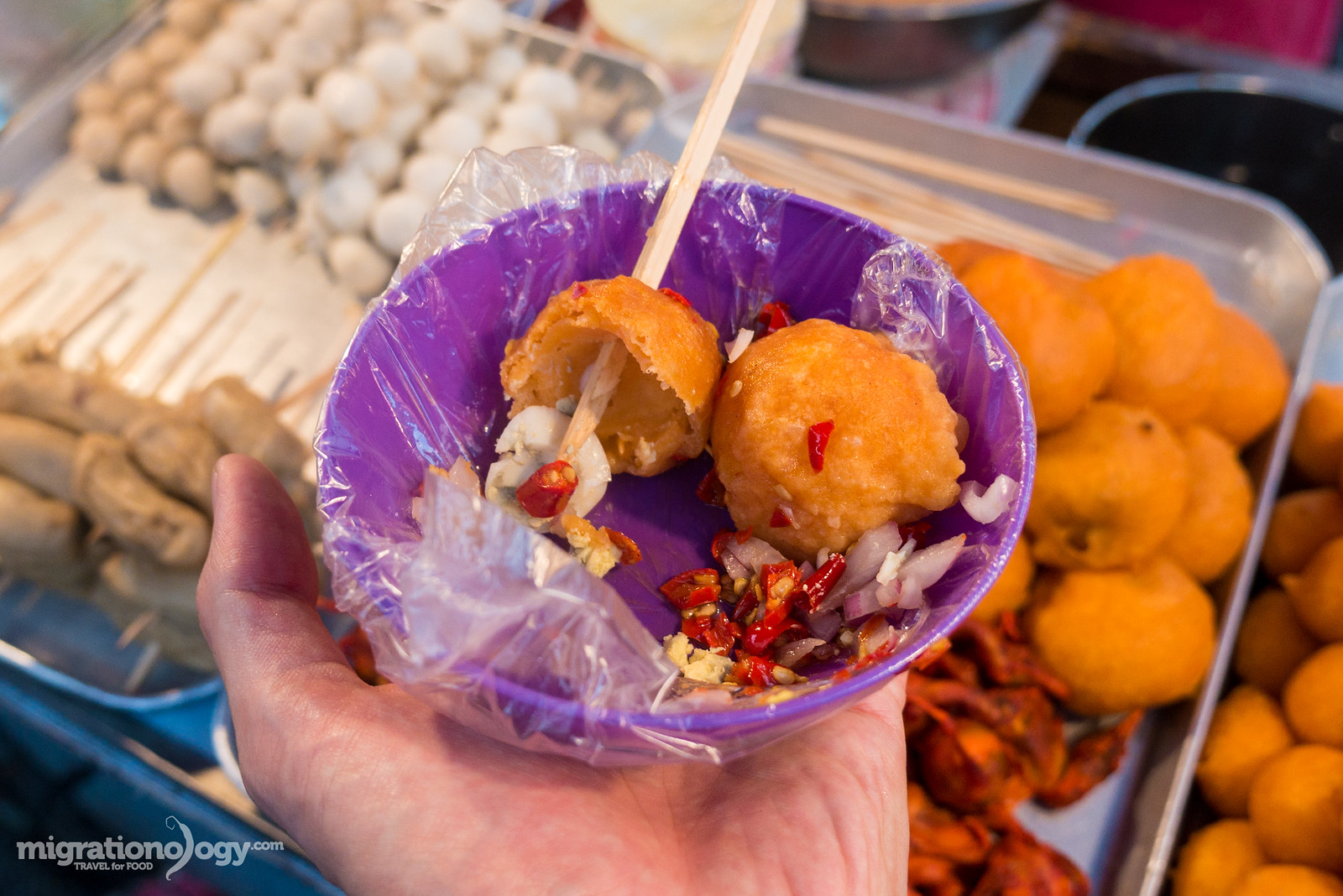
Another giant of Filipino street food, and popular throughout Manila is kwek kwek.
Kwek kwek are quail eggs that are coated in an orange colored batter, and deep fried. You’ll notice them by their bright orange color and almost ping pong ball appearance.
Again, you’ll need to season them with vinegar, chilies, and onions, before eating for the best taste. Kwek kwek is kind of like a corndog, but with a quail inside instead of a hot dog.
It is known as the Summer Capital of the Philippines, owing to its cool climate since the city is located approximately 4810 feet above mean sea level (1466 m), often cited as 1,540 meters (5,050 feet) in the Luzon tropical pine forestsecoregion, which also makes it conducive for the growth of mossy plants and orchids.[3]
Cycle sport is competitive physical activity using bicycles. There are several categories of bicycle racing including road bicycle racing, time trialling, cyclo-cross, mountain bike racing, track cycling, BMX, and cycle speedway. Non-racing cycling sports include artistic cycling, cycle polo, freestyle BMX and mountain bike trials. The Union Cycliste Internationale (UCI) is the world governing body for cycling and international competitive cycling events. The International Human Powered Vehicle Association is the governing body for human-powered vehicles that imposes far fewer restrictions on their design than does the UCI. The UltraMarathon Cycling Association is the governing body for many ultra-distance cycling races.
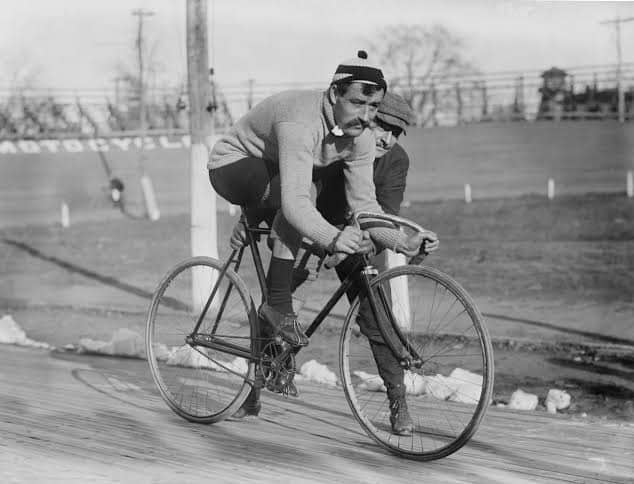
This began in 1903, and continues to capture the attention of the sporting world. In 1899, Charles Minthorn Murphy became the first man to ride his bicycle a mile in under a minute (hence his nickname, Mile-a-Minute Murphy), which he did by drafting a locomotive at New York’s Long Island
Charles Minthorn Murphy
Charles Minthorn Murphy, also known as Mile-a-Minute Murphy, was an American cycling athlete. He was the first man ever to ride a bicycle for one mile in less than a minute
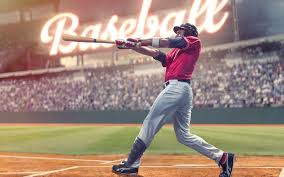
Baseball is a bat-and-ball game played between two opposing teams who take turns batting and fielding. The game proceeds when a player on the fielding team, called the pitcher, throws a ball which a player on the batting team tries to hit with a bat. The objectives of the offensive team (batting team) are to hit the ball into the field of play, and to run the bases—having its runners advance counter-clockwise around four bases to score what are called “runs”. The objective of the defensive team (fielding team) is to prevent batters from becoming runners, and to prevent runners’ advance around the bases.[2] A run is scored when a runner legally advances around the bases in order and touches home plate (the place where the player started as a batter). The team that scores the most runs by the end of the game is the winner. The first objective of the batting team is to have a player reach first base safely. A player on the batting team who reaches first base without being called “out” can attempt to advance to subsequent bases as a runner, either immediately or during teammates’ turns batting. The fielding team tries to prevent runs by getting batters or runners “out”, which forces them out of the field of play. Both the pitcher and fielders have methods of getting the batting team’s players out. The opposing teams switch back and forth between batting and fielding; the batting team’s turn to bat is over once the fielding team records three outs. One turn batting for each team constitutes an inning. A game is usually composed of nine innings, and the team with the greater number of runs at the end of the game wins. If scores are tied at the end of nine innings, extra innings are usually played. Baseball has no game clock, although most games end in the ninth inning.
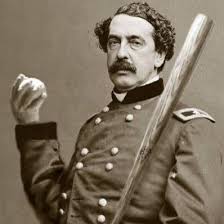
You may have heard that a young man named Abner Doubledayinvented the game known as baseball in Cooperstown, New York, during the summer of 1839. Doubleday then went on to become a Civil War hero, while baseball became America’s beloved national pastime.
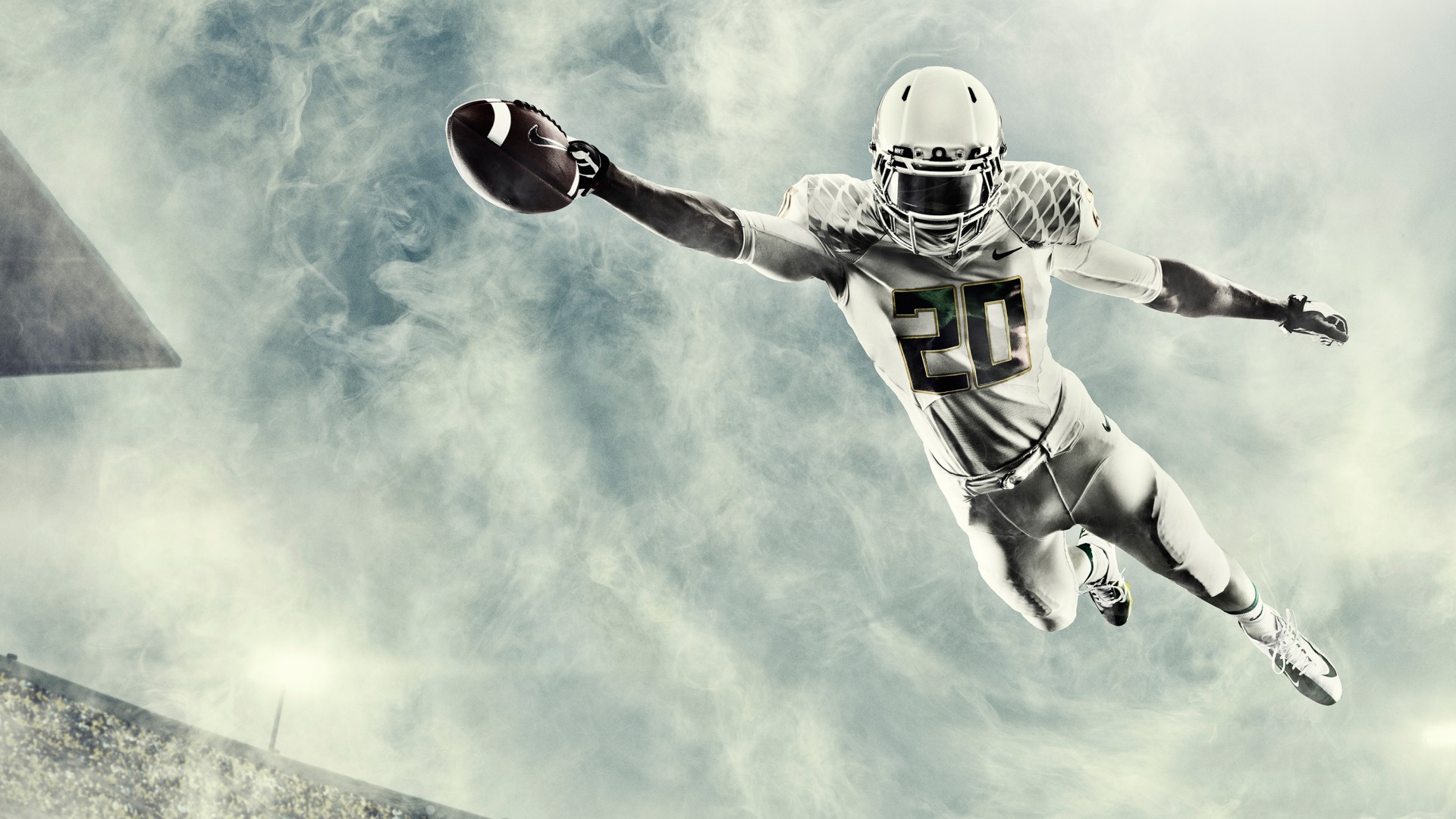
American football, referred to as football in the United States and Canada and also known as gridiron,[nb 1] is a team sport played by two teams of eleven players on a rectangular field with goalposts at each end. The offense, which is the team controlling the oval-shaped football, attempts to advance down the field by running with or passing the ball, while the defense, which is the team without control of the ball, aims to stop the offense’s advance and aims to take control of the ball for themselves. The offense must advance at least ten yards in four downs, or plays, and otherwise they turn over the football to the defense; if the offense succeeds in advancing ten yards or more, they are given a new set of four downs. Points are primarily scored by advancing the ball into the opposing team’s end zone for a touchdown or kicking the ball through the opponent’s goalposts for a field goal. The team with the most points at the end of a game wins.Charles Goodyear
The history of American football can be traced to early versions of rugby football and association football. Both games have their origin in varieties of football played in Britain in the mid-19th century, in which a football is kicked at a goal or kicked over a line, which in turn were based on the varieties of English public school football games. American football resulted from several major divergences from association football and rugby football, most notably the rule changes instituted by Walter Camp, a Yale University and Hopkins School graduate who is considered to be the “Father of American Football”. Among these important changes were the introduction of the line of scrimmage, of down-and-distance rules and of the legalization of blocking.[1][2][3] In the late 19th and early 20th centuries, gameplay developments by college coaches such as Eddie Cochems, Amos Alonzo Stagg, Parke H. Davis, Knute Rockne, and Glenn “Pop” Warner helped take advantage of the newly introduced forward pass. The popularity of college football grew as it became the dominant version of the sport in the United States for the first half of the 20th century. Bowl games, a college football tradition, attracted a national audience for college teams. Boosted by fierce rivalries and colorful traditions, college football still holds widespread appeal in the United States. The origin of professional football can be traced back to 1892, with William “Pudge” Heffelfinger’s $500 contract to play in a game for the Allegheny Athletic Association against the Pittsburgh Athletic Club. In 1920 the American Professional Football Association was formed. This league changed its name to the National Football League (NFL) two years later, and eventually became the major league of American football. Primarily a sport of Midwestern industrial towns in the United States, professional football eventually became a national phenomenon.
The man most responsible for the transition from this rugby-like game to the sport of football we know today was Walter Camp, known as the “Father of AmericanFootball.” As a Yale undergraduate and medical student from 1876 to 1881, he played halfback and served as team captain, equivalent to head coach at the time.
Association football, more commonly known as football or soccer,[a] is a teamsport played with a spherical ball between two teams of eleven players. It is played by 250 million players in over 200 countries and dependencies, making it the world’s most popular sport.[5][6][7][8] The game is played on a rectangular field called a pitch with a goal at each end. The object of the game is to score by moving the ball beyond the goal line into the opposing goal.
Association football is one of a family of football codes, which emerged from various ball games played worldwide since antiquity. The modern game traces its origins to 1863 when the Laws of the Game were originally codified in England by The Football Association.
Association football
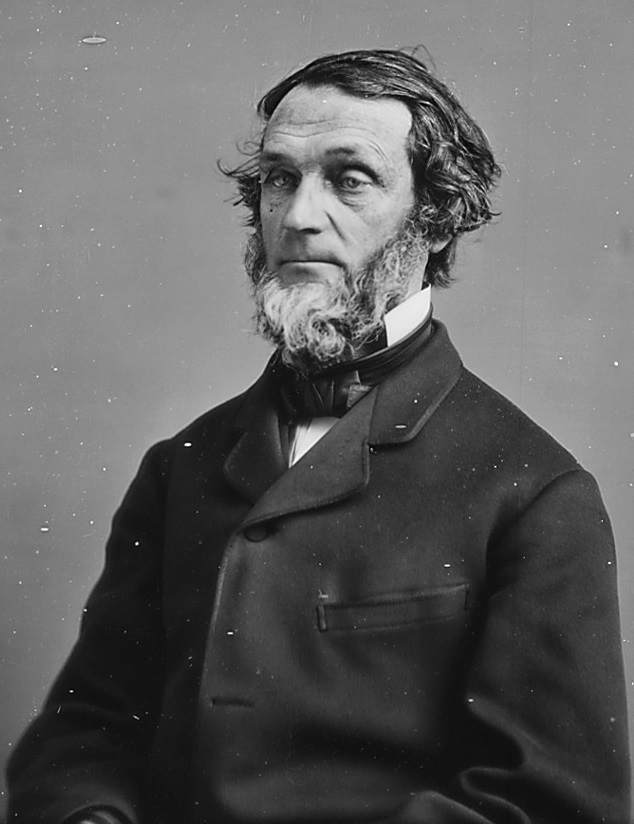
In 1855, the U.S. inventor Charles Goodyear – who had patented vulcanised rubber – exhibited a spherical football, with an exterior of vulcanised rubber panels, at the Paris Exhibition Universelle. The ball was to prove popular in early forms of football in the U.S.A.
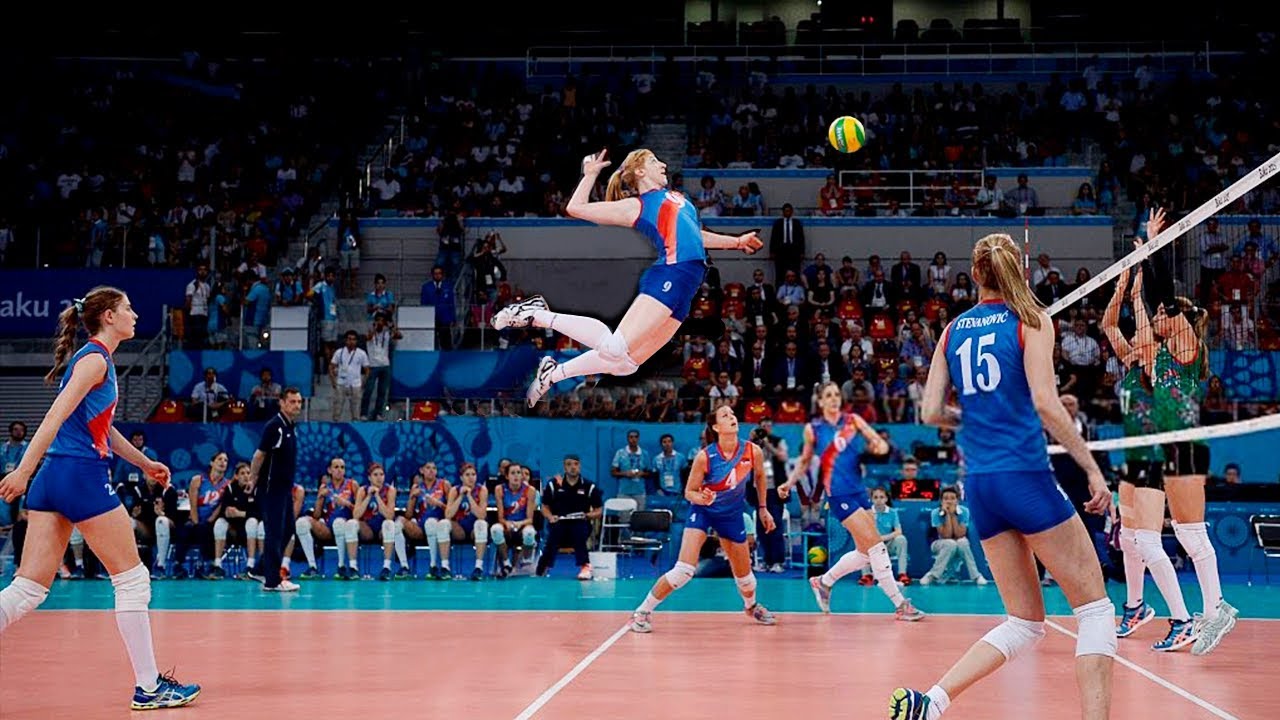
Volleyball is a team sport in which two teams of six players are separated by a net. Each team tries to score points by grounding a ball on the other team’s court under organized rules.[1] It has been a part of the official program of the Summer Olympic Games since 1964. The complete rules are extensive, but simply, play proceeds as follows: a player on one of the teams begins a ‘rally’ by serving the ball (tossing or releasing it and then hitting it with a hand or arm), from behind the back boundary line of the court, over the net, and into the receiving team’s court.[2] The receiving team must not let the ball be grounded within their court. The team may touch the ball up to 3 times, but individual players may not touch the ball twice consecutively.[2] Typically, the first two touches are used to set up for an attack, an attempt to direct the ball back over the net in such a way that the serving team is unable to prevent it from being grounded in their court.
VOLLEYBALL
William George Morgan (January 23, 1870 – December 27, 1942) was the inventor of volleyball, originally called “Mintonette”, a name derived from the game of badminton which he later agreed to change to better reflect the nature of the sport.[1] He was born in Lockport, New York, US.[2]
He met James Naismith, inventor of basketball, while Morgan was studying at Springfield College in 1892. Like Naismith, Morgan pursued a career in Physical Education at the YMCA. Influenced by Naismith and basketball, in 1895, in Holyoke, Massachusetts, Morgan invented “Mintonette” a less vigorous team sport more suitable for older members of the YMCA but one that still required athletic skill. Later Alfred S. Halstead watched it being played and renamed it “Volleyball”, because the point of the game is to volley the ball back and forth over the net.
WILLIAM G MORGAN
There are three main types of serves in volleyball. The underhand serve is most common for beginners. The overhand topspin and the overhand float serve are the most common serves for competitive volleyball.








 JOSHUA'BLOG